
Professional Carpet Cleaning: What Vacuuming Can’t Remove
If you vacuum regularly but still notice more sneezing, persistent odors, or itchy eyes indoors, your carpet may be the problem. Professional carpet cleaning removes what household vacuums simply cannot reach, and for many St. Louis families, that difference has a real impact on how their home feels and how they breathe.
Here’s what’s actually hiding in your carpet, and why regular vacuuming alone isn’t enough.
What Vacuuming Actually Does (and Doesn’t)
Regular vacuuming matters. It removes surface debris, loose dirt, and larger particles before they work deeper into the pile. We always recommend it as part of a consistent routine.
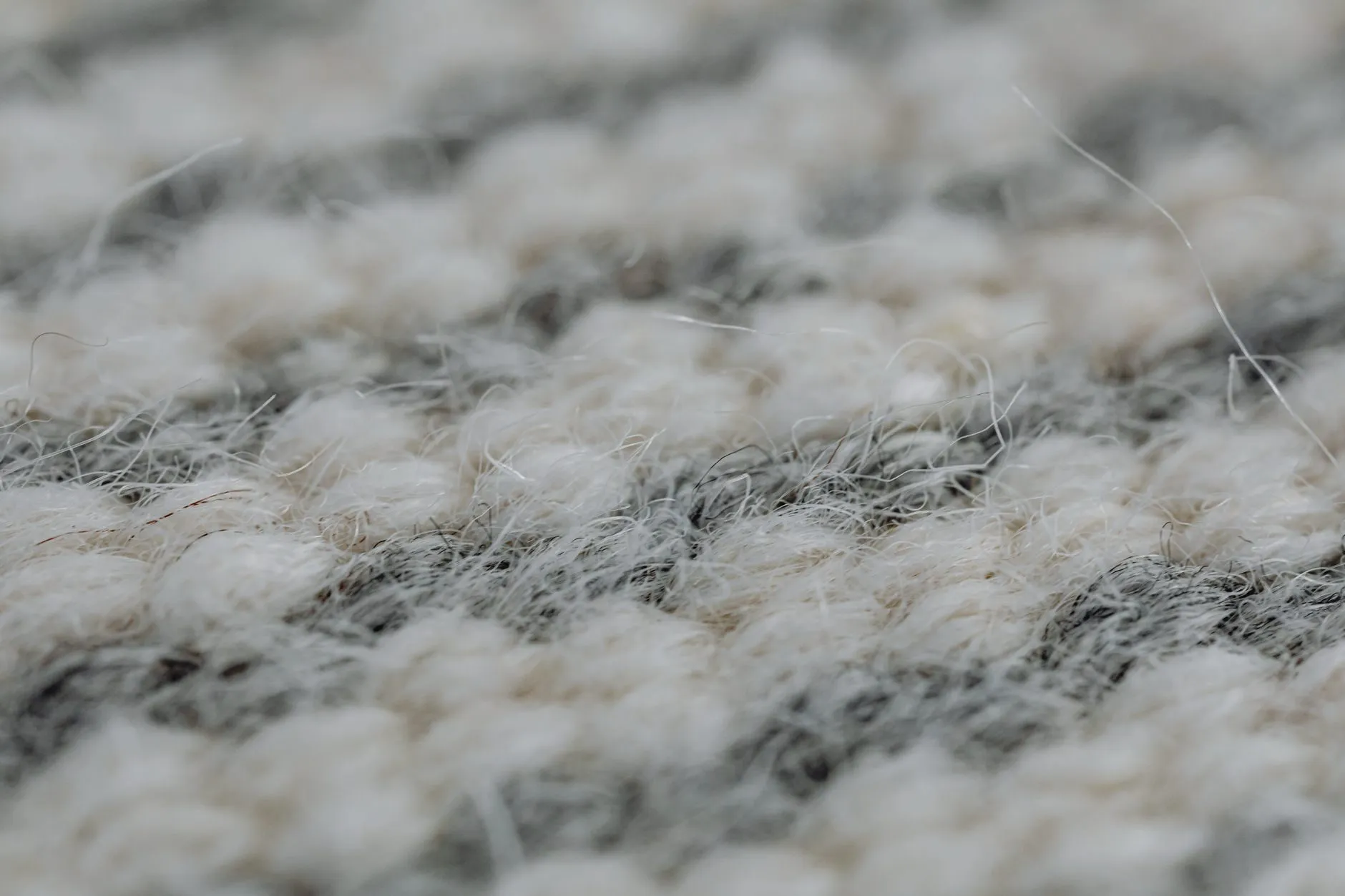
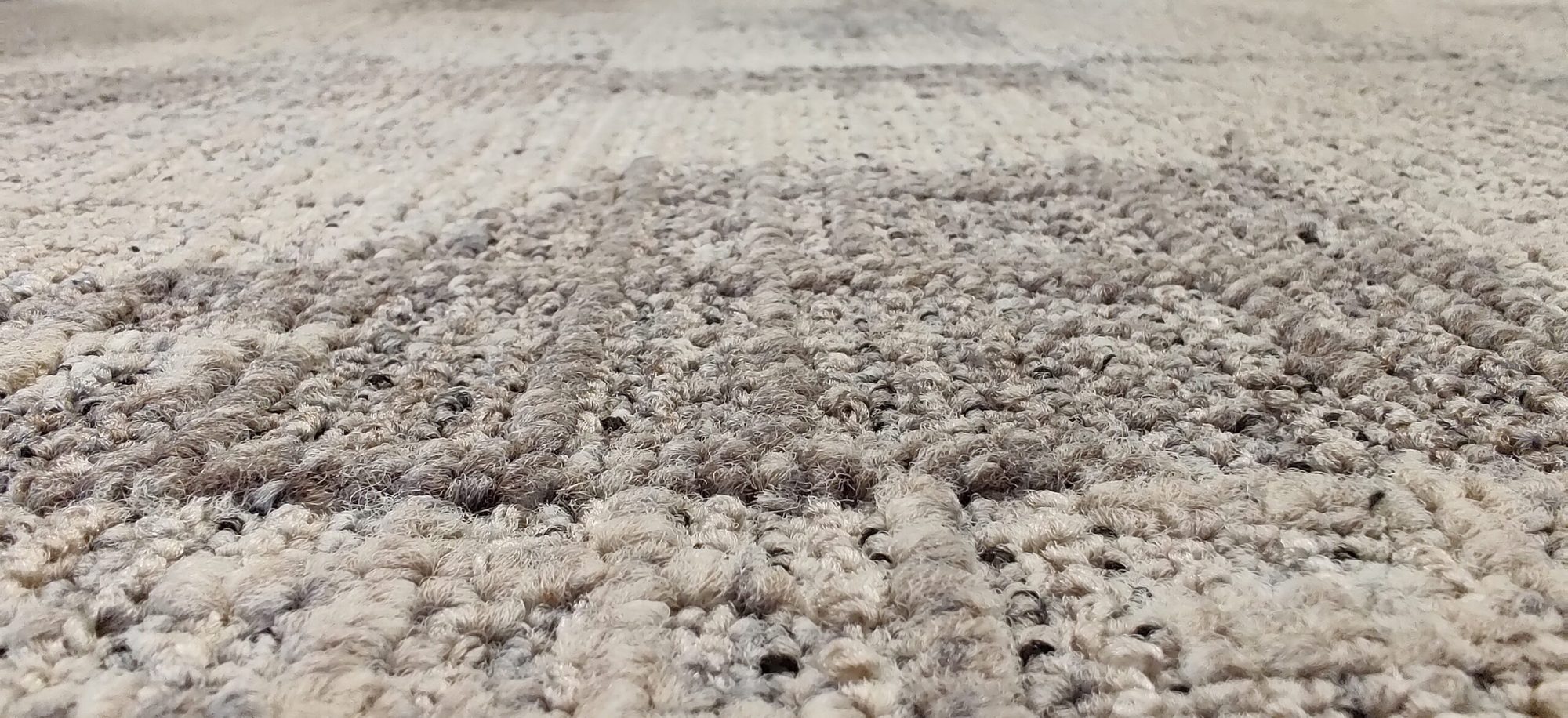
But home vacuums have a hard ceiling. Standard suction doesn’t reach the base of carpet fibers, where fine particles settle and compact over time. Think of your carpet like a layered filter. Vacuuming cleans the top layer. Professional carpet cleaning flushes the whole thing.
What’s Living in Your Carpet Right Now
Even in a well-maintained home, carpet accumulates a surprising range of contaminants over time.
Dust Mites
These microscopic organisms thrive in carpet fibers, feeding on the dead skin cells that people and pets shed naturally. Dust mite waste is one of the most common indoor allergen triggers. A single square yard of carpet can harbor thousands of them.
Pet Dander
Dander accumulates rapidly in carpet and upholstery, and it doesn’t require a pet in the house. Dander travels on clothing and shoes. For pet owners, it’s a leading cause of persistent indoor allergy symptoms.
Pollen
Every time a door opens, pollen drifts in. It’s also tracked in on shoes and clothing. Once it settles into carpet fibers, it joins the ongoing allergen load your household breathes every day. This is especially relevant in St. Louis, which consistently ranks among cities with higher-than-average pollen burdens due to its position in the pollen corridor.
Bacteria and Mold Spores
Spills, humidity, and moisture tracked in on shoes create conditions where bacteria and mold develop at the base of carpet and in the padding underneath. St. Louis summers bring prolonged humidity that makes this worse. Trapped moisture you can’t see leads to problems that build slowly and silently.
Volatile Organic Compounds (VOCs)
Carpet absorbs and slowly re-releases chemical compounds from cleaning products, paint, and other household sources. These VOCs off-gas back into your indoor air over time, contributing to the overall air quality load in your home.
Fine Particulate Matter
Tiny particles from outdoor air pollution, smoke, and daily household activity sink deep into carpet fibers. Standard vacuum suction can’t extract them effectively at that depth.
How Professional Carpet Cleaning Works Differently
Professional carpet cleaning uses hot water extraction — sometimes called steam cleaning — to flush contaminants out from the fiber base up. High-temperature water is injected deep into the pile, breaking down and suspending the particles, bacteria, and allergens embedded there. Powerful extraction equipment then pulls everything out, along with the moisture.
The results aren’t just cosmetic. According to the Asthma and Allergy Foundation of America, maintaining low allergen levels in the home is one of the most effective ways to manage indoor allergy and asthma symptoms. Professionally cleaned carpets contain significantly lower concentrations of allergens and bacteria than those maintained with vacuuming alone.
For households with allergy sufferers, asthma patients, young children, or elderly residents, that’s a meaningful difference.
Signs It’s Time to Schedule a Cleaning
You don’t have to wait until carpet looks dirty. Some of the clearest signals are things you feel and smell before you see them.
Watch for these:
- Allergy symptoms that are consistently worse indoors than outside
- A musty or stale smell that lingers even after cleaning the rest of the room
- Visible discoloration or matting in high-traffic areas
- More than 12 months since your last professional cleaning
- Pets or young children who spend significant time on the floor
If two or more of those apply, your carpet is overdue.
How Often Should Carpets Be Professionally Cleaned?
For most households, once every 12 months is a reasonable baseline. Homes with pets, children, allergy sufferers, or heavy foot traffic benefit from cleaning every 6 to 9 months. High-use rooms like living rooms and hallways may need more frequent attention than bedrooms.
A Note for St. Louis Homeowners
St. Louis sits in the pollen corridor and experiences hot, humid summers — a combination that creates higher-than-average indoor allergen loads for local families. That summer humidity is particularly hard on carpets, because moisture that gets trapped in carpet padding creates ideal conditions for mold and bacteria. Regular professional cleaning removes the organic material those organisms feed on and helps your carpet dry thoroughly, reducing the risk of hidden moisture problems building up under the surface.
If you haven’t had your carpets professionally cleaned since last year, now is a good time to schedule before summer humidity peaks.
Ready for a Healthier Home?
E&B Carpet & Upholstery Cleaning has been serving St. Louis families since 1974. Our trained technicians use proven hot water extraction methods to remove what vacuuming leaves behind, giving you cleaner carpet and cleaner indoor air.
We serve St. Louis County, St. Charles, West County, South County, North County, O’Fallon, the Metro East, Jefferson County, and beyond.
Contact us today for a free estimate.